Ensuring school safety is one of the most important responsibilities shared by parents, educators, and the community. A safe learning environment allows students to focus on their education without fear, stress, or distraction. Whether it’s physical safety, digital protection, or emotional well-being, schools must be prepared, and families should know how to support these efforts.
Below are essential school safety tips and information that can help everyone stay prepared and protected:
1. Emergency Preparedness Matters
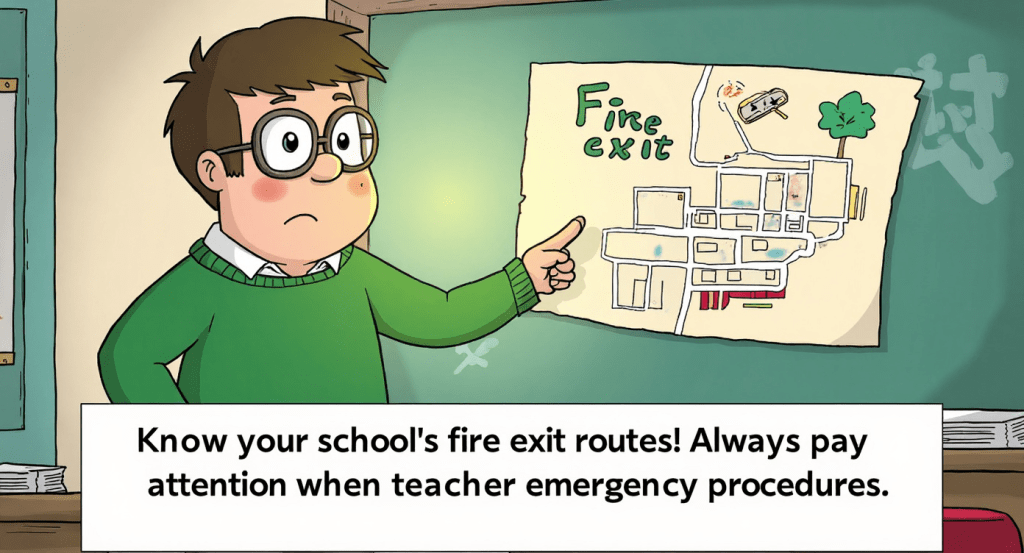
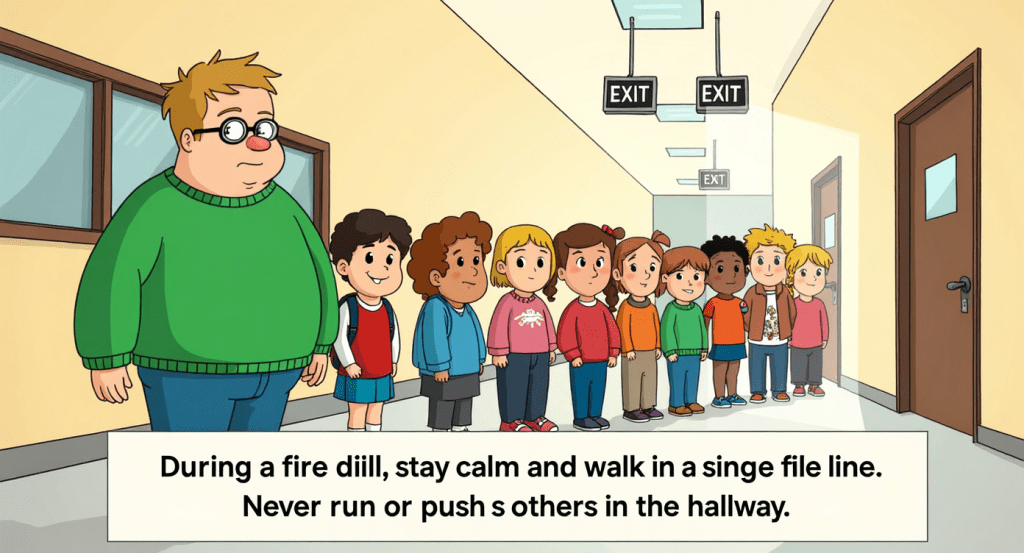
Schools should have clear protocols for emergencies such as fire, lockdowns, severe weather, or medical crises.
Parents: Familiarize yourself with the school’s safety plans and review them with your child. Teachers: Regularly practice drills with students so responses become second nature. Students: Take drills seriously and ask questions if you don’t understand the procedures.
2. Safe Travel To and From School
Getting to school safely is just as important as being safe in class.
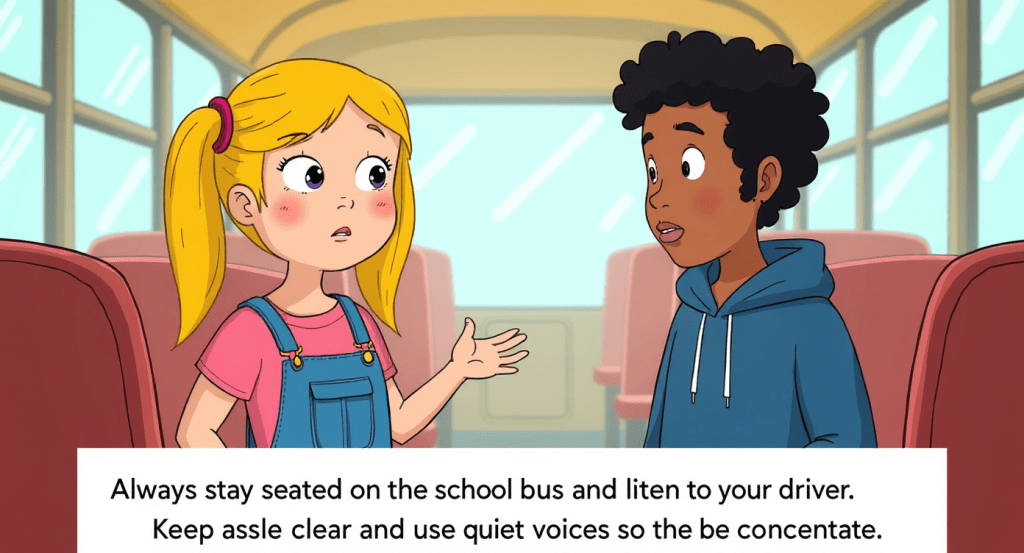
Walkers: Use sidewalks and crosswalks; avoid distractions like phones while walking. Bikers: Wear helmets and follow traffic rules. Bus Riders: Stay seated, listen to the driver, and avoid horseplay. Drivers: Parents should follow school speed limits, drop-off rules, and be alert for crossing students.
3. Bullying Prevention and Awareness
Bullying—whether in person or online—can have lasting effects.
Parents: Talk openly with your child about their school experiences. Teachers: Watch for warning signs like withdrawal, declining grades, or unexplained injuries. Students: Report bullying immediately—whether you’re a victim or a bystander.
4. Digital and Cyber Safety
Technology is a powerful learning tool, but it comes with risks.
Use strong passwords and never share them. Think before you post—what you share online can last forever. Report suspicious messages or online harassment to a trusted adult. Parents should monitor online activities and set healthy screen time limits.
5. Health and Hygiene Practices
Schools are busy environments where germs spread easily.
Wash hands regularly and cover coughs or sneezes. Stay home when feeling sick to protect others. Schools should ensure access to clean water, hand sanitizer, and well-maintained restrooms.
6. Building a Culture of Respect and Inclusion
Safety isn’t just physical—it’s also emotional. A supportive school environment reduces conflict and stress.
Encourage kindness, respect, and acceptance of differences. Promote open communication between students, teachers, and parents. Celebrate diversity through school programs and activities.
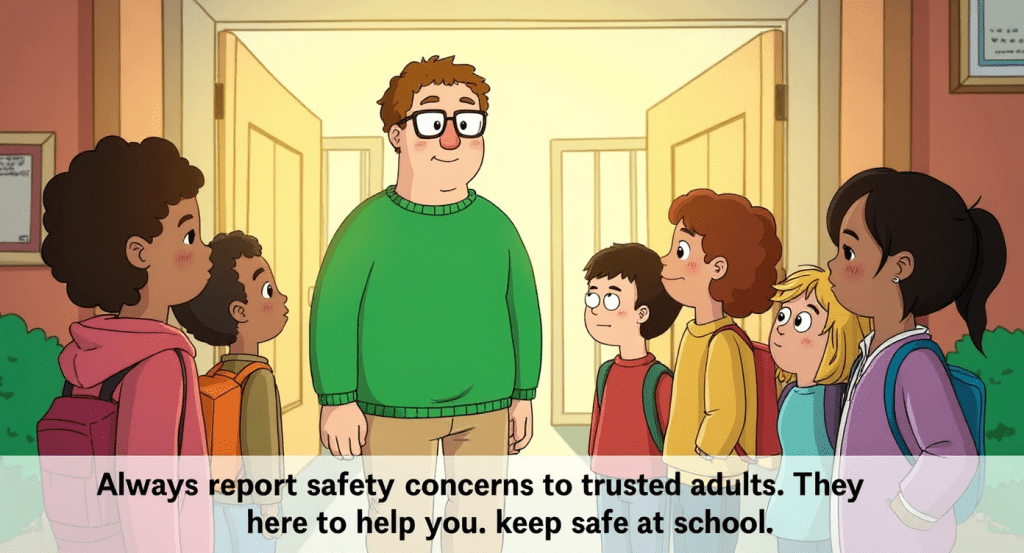
7. See Something, Say Something
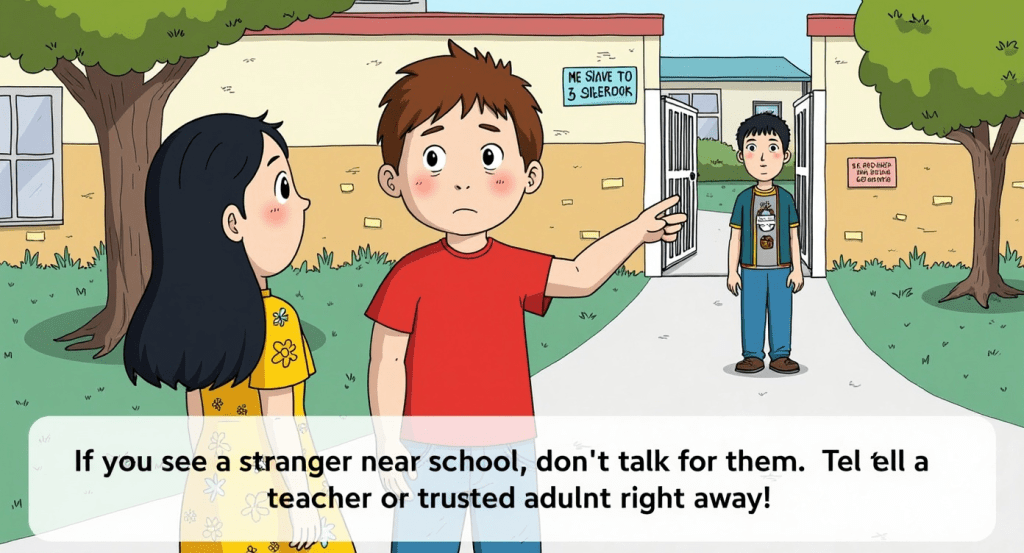
Every member of the school community has a role in safety. If you see suspicious activity, unsafe behavior, or something that doesn’t feel right—report it immediately. Early intervention can prevent bigger problems.
Final Thoughts
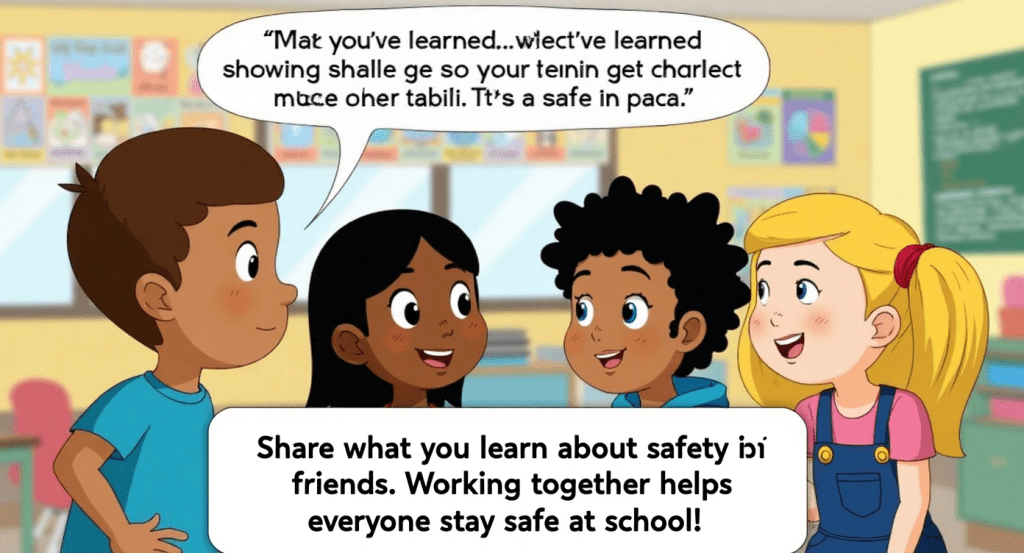
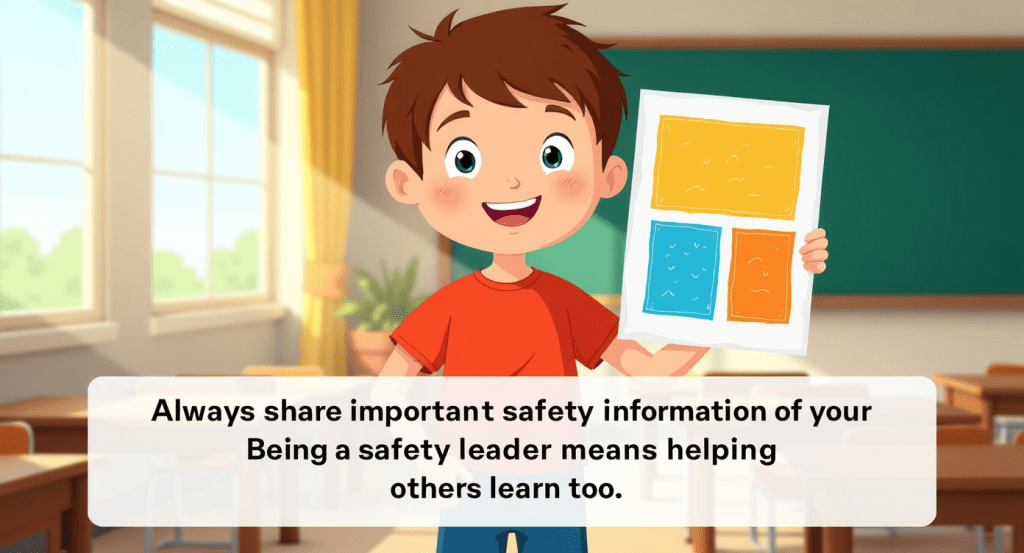
School safety is not just the responsibility of administrators—it’s a team effort. By staying aware, prepared, and supportive, we can create a safe and nurturing environment where students thrive. When schools, parents, and students work together, learning becomes not only productive but also protected.

 Holistic Haven